

The Era of Carbon Tariffs: Navigating the EU CBAM Framework
As part of the transformative European Green Deal targeting net-zero continental greenhouse emissions by 2050, the European Union has launched the Carbon Border Adjustment Mechanism (CBAM), entering into transitional operational force on October 1, 2023.
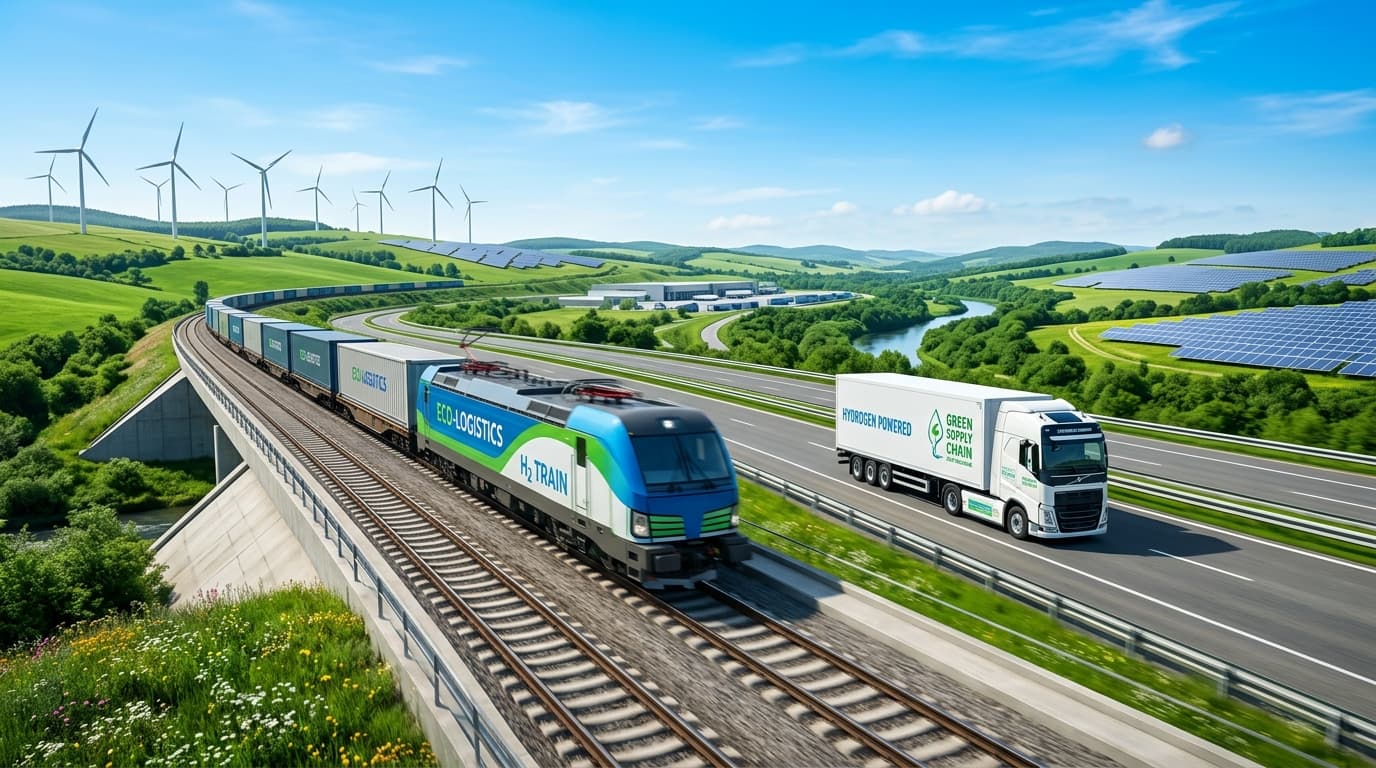
CBAM equalizes the price of carbon paid for domestic EU production under the EU Emissions Trading System (ETS) with that of imported merchandise. By penalizing embedded carbon emissions, CBAM elevates freight logistics and transport decarbonization into primary determinants of global competitiveness.
Priority Industrial Sectors and Phased Implementation
The initial transitional phase concentrates on six carbon-intensive industrial sectors:
- Iron & Steel (Rebar, billets, pipes, hot-rolled sheets, and downstream hardware)
- Aluminium (Unwrought ingots, extrusions, structural profiles)
- Cement (Clinker, hydraulic cements)
- Fertilizers (Anhydrous ammonia, nitric acid, complex mineral mixtures)
- Electricity
- Hydrogen
Strategic Timeline: Full financial surrender of tradeable CBAM certificates commences in 2026, alongside scheduled scope expansion into industrial polymers, organic chemicals, and complex mechanical equipment.
The Greenhouse Gas Protocol: Deciphering Scope 1, 2, and 3 Emissions
- Scope 1 (Direct Facility Emissions): On-site combustion of hydrocarbons in furnaces, generators, and company-owned vehicle operations.
- Scope 2 (Indirect Energy Footprint): Upstream emissions associated with purchased grid electricity, industrial steam, and refrigeration heating.
- Scope 3 (Value Chain & Transportation): Embodied supply chain logistics, international maritime and multimodal freight carriage, bonded warehousing, and last-mile distribution.
Tangible Freight Economics Under EU ETS Pricing
With EU ETS carbon allowances fluctuating between €60 and €90 per metric ton of CO₂ equivalent, freight carbon intensity directly impacts landed product profitability:
$$\text{Carbon Surcharge (EUR)} = \text{Transport Emissions (t } \text{CO}_2\text{)} \times \text{ETS Allowance Rate (EUR/t)}$$
| Modal Selection | Average Modal Footprint | Carbon Tariff Impact for 100 Tons Cargo (@ €80/t) |
|---|---|---|
| All-Road Haulage (Diesel HGV) | 1,800 kg CO₂ | ~€144 Marginal Carbon Cost |
| Ocean Deep-Sea Container | 350 kg CO₂ | ~€28 Marginal Carbon Cost |
| Intermodal (Rail + Ro-Ro) | 180 kg CO₂ | ~€14 Marginal Carbon Cost (90% Carbon Abatement) |
4-Step Action Blueprint for Global Exporters
- Map Embedded Carbon Intensities: Calculate and audit facility emission profiles (t CO₂e / unit produced) compliant with ISO 14064 / 14067 standards.
- Transition Long-Haul Corridors to Intermodal: Shift transit volumes from long-haul road diesel trucks onto electrified rail and maritime Ro-Ro systems.
- Mandate Certified Emission Declarations: Demand shipment-specific green logistics certificates and audited fuel burn metrics from forwarders.
- Digitize Carbon Data Feeds: Establish integrated digital carbon accounting systems feeding authenticated quarterly CBAM reports to European buyers.
Green Supply Chain Leadership with Arionex
Arionex Group delivers auditable per-shipment greenhouse gas metrics, optimized intermodal transport links, and sustainable cross-border logistics.
Turn regulatory CBAM obligations into sustainable competitive leverage across European industrial markets.