

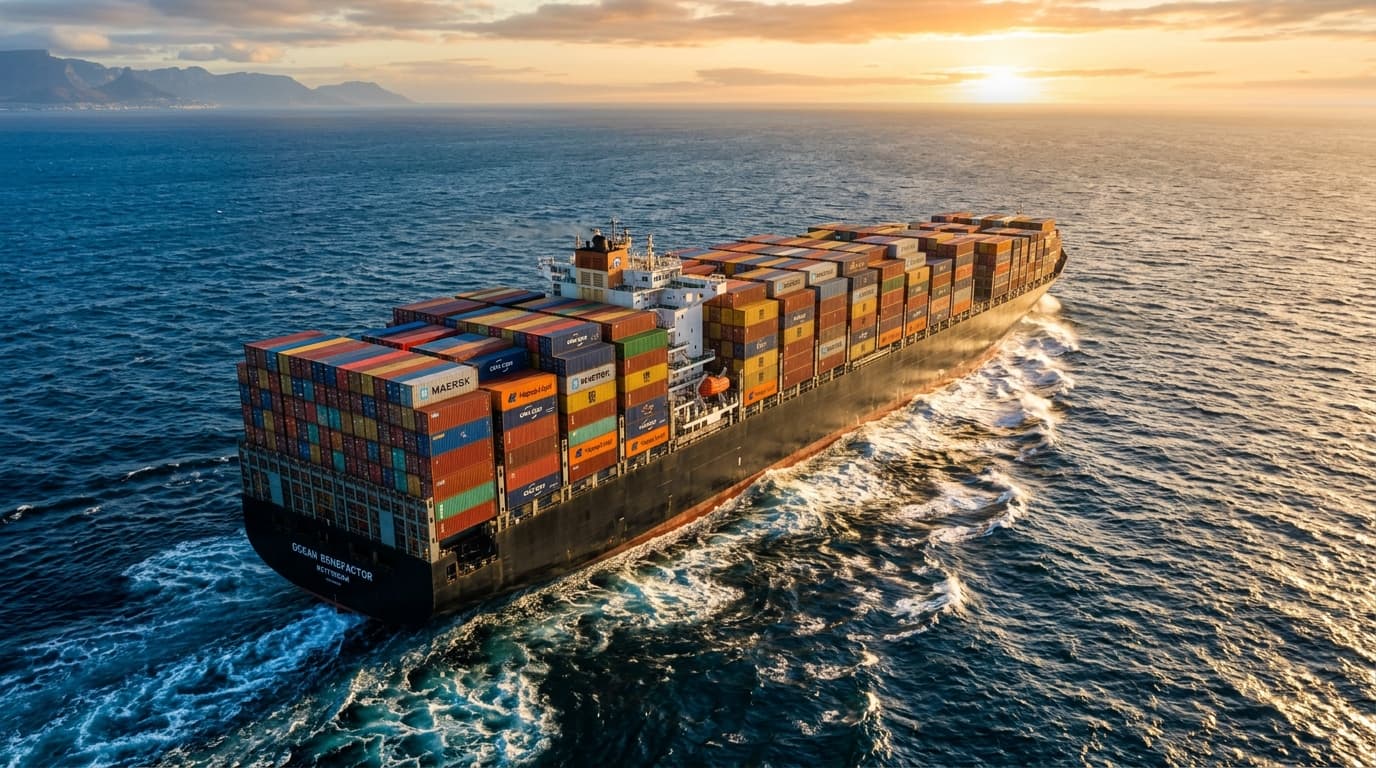
The Hidden Profit Drain in Ocean Freight: Demurrage and Detention
When booking international container shipments, logistics managers frequently focus solely on ocean freight rates, overlooking detention and demurrage liabilities. An administrative customs delay, a misrouted original Bill of Lading, or a delayed warehouse destuffing shift can trigger punitive fees running into tens of thousands of dollars.
Safeguarding your supply chain requires proactive Free Time negotiations with carriers and strict operational choreography across terminal and drayage legs.
Defining the Terminology: Demurrage vs. Detention vs. Port Storage
Although often conflated, these three financial penalties represent distinct legal exposures:
1. Demurrage
- Payable To: Ocean Shipping Line (Carrier).
- Trigger: Commences inside the terminal once a laden container exceeds carrier-allocated free days post-vessel discharge.
- Termination: Ceases when the full container clears customs gate and exits the marine terminal gates.
- Rationale: Compensates the shipping line for asset immobilization inside terminal yards.
2. Detention
- Payable To: Ocean Shipping Line (Carrier).
- Trigger: Begins once the full container leaves terminal gates and stays under the consignee's control beyond allocated empty return allowances.
- Termination: Ends only when the empty container is delivered back to the carrier's designated equipment depot in clean condition.
3. Port Storage
- Payable To: Terminal Operating Company (Port Authority).
- Scope: Real estate occupancy surcharge for physical terminal space usage. Levied completely independently of shipping line demurrage terms.
Escalating Penalty Structures and Free Time Windows
Standard carrier free allowances are structurally limited:
- Dry Standard Containers (20'DC / 40'HC): 5 to 7 Days
- Refrigerated Containers (Reefer): 2 to 3 Days (Reflecting terminal plug-in monitoring and genset consumption)
- Specialized Out-of-Gauge Units (OT / FR): 3 to 5 Days
Tiered Escalation Impact
Carrier penalties compound aggressively as delay duration extends:
| Delay Window | 20' Standard Box (Daily) | 40' High Cube Box (Daily) | 40' Reefer Unit (Daily) |
|---|---|---|---|
| Days 1 – 7 (Free Time) | $0 / day | $0 / day | $0 / day |
| Days 8 – 12 (Tier 1) | $45 – $65 / day | $80 – $110 / day | $150 – $220 / day |
| Days 13 – 19 (Tier 2) | $85 – $120 / day | $140 – $190 / day | $250 – $350 / day |
| Day 20+ (Tier 3) | $150 – $250 / day | $250 – $400 / day | $400 – $600 / day |
5 Proactive Measures to Eliminate Demurrage and Detention
- Negotiate Combined Free Time Upfront: During freight booking, contractually request 14 to 21 Days Combined Demurrage and Detention. Extending free time after vessel departure is virtually impossible.
- Execute Pre-Arrival Customs Filings: Transmit commercial invoices, packing lists, and origin documents to customs brokers at least 72 hours prior to vessel berthing.
- Deploy Telex Release or Express Sea Waybills: Avoid paper courier transit bottlenecks by releasing ocean bills electronically.
- Pre-Book Drayage Haulage Assets: Schedule terminal drayage trucks and warehouse offloading crews before vessel discharge confirmation.
- Implement Drop-and-Pick Trucking: Rather than paying waiting truck detention at the factory dock, drop the chassis for unloading and retrieve it on an optimized cycle.
Zero-Penalty Ocean Logistics with Arionex
Arionex Group leverages global carrier agreements to deliver customized 14 to 21-day extended Free Time allowances across premier maritime discharge hubs.
Our digital tracking portal continuously monitors vessel arrival milestones, customs clearance gates, and empty return depots, insulating your bottom line from unexpected port surcharges.