

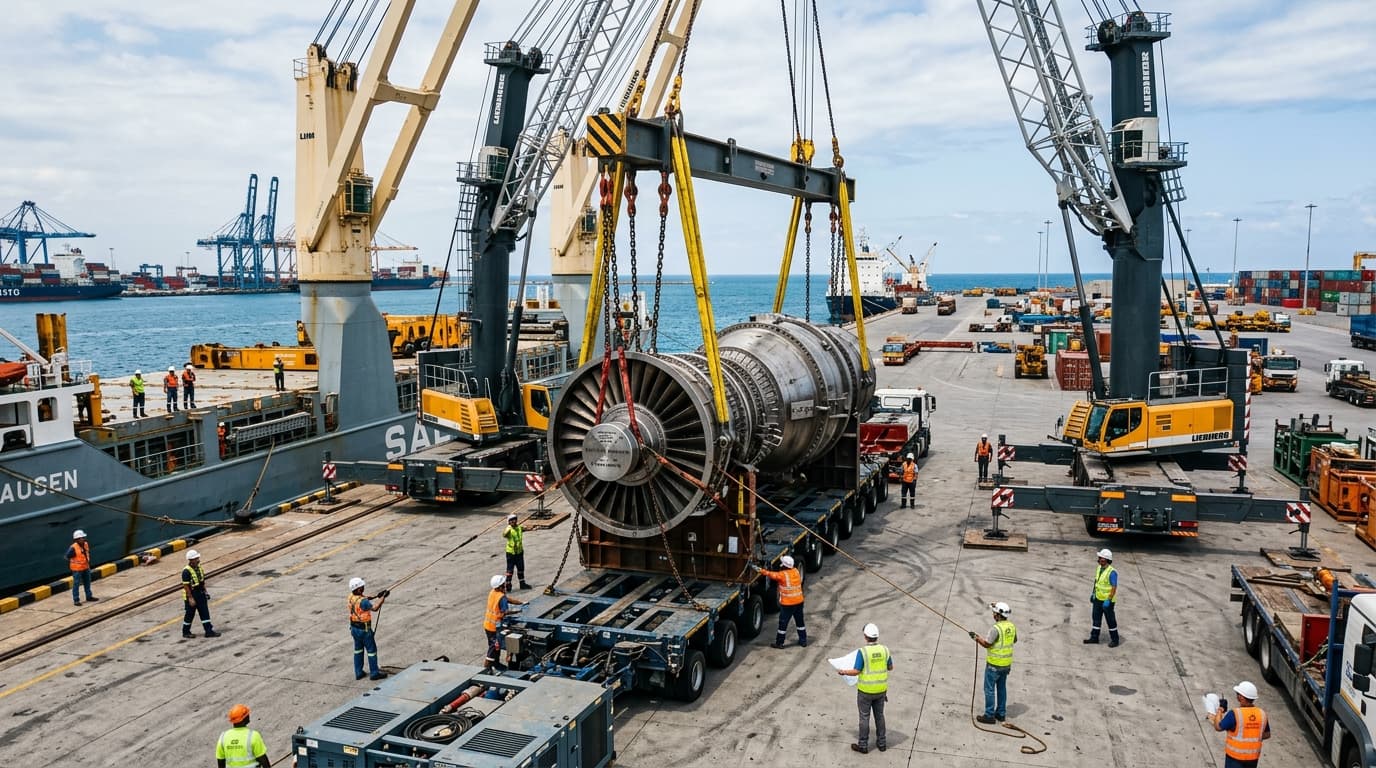
The Strategic Arteries of Eurasian Commerce: Turkey-Europe Road Logistics
With approximately 40% of Turkey's manufacturing output destined for European Union member states, swift overland transport represents the backbone of industrial supply chains across automotive, technical textiles, consumer durables, and perishable agriculture.
However, seasonal border bottlenecks, Balkan transit permit quota exhaustions, and highway infrastructure disruptions demand hybrid logistics strategies balancing overland border crossings and intermodal maritime Ro-Ro services.
1. Overland Border Gate Dynamics: Kapıkule and Hamzabeyli
Overland truck freight departing Turkey towards Central and Western Europe relies on two key border portals:
Kapıkule Border Gate (Turkey — Bulgaria)
- Strategic Footprint: The second busiest land border crossing globally, handling 1,500 to 2,000 commercial freight vehicles daily.
- Corridor Value: Direct routing via Sofia, Nis, and Belgrade into Hungary, offering the shortest geographical road mileage to Germany and Benelux.
- Operational Friction: Severe peak-season queues extending 15 to 30 kilometers, inducing 24 to 48-hour border crossing delays.
Hamzabeyli Border Gate (Turkey — Bulgaria / Romania Corridor)
- Strategic Role: Modernized to relieve Kapıkule congestion.
- Optimized Routing: Dedicated egress for freight destined for Romania, Poland, Ukraine, and the Baltic corridors.
2. Sea-to-Road Bridges: The Ro-Ro Intermodal Advantage
To bypass overland border lines, third-country driver transit visas, and bilateral transit permit (Dozvala) limitations, shippers deploy Ro-Ro (Roll-on/Roll-off) maritime highways.
Heavy articulated trailers board high-speed Ro-Ro ferries from Turkish ports, discharging directly into European logistics gateways:
| Departure Port | Discharge Terminal | Ocean Transit Time | Direct Inland Connectivity |
|---|---|---|---|
| Pendik / Yalova | Trieste (Italy) | 60 – 65 Hours | Rail and road shuttles to Germany, Austria, Switzerland |
| Yalova / Cesme | Sete (France) | 72 – 78 Hours | France, Spain, Portugal, and the United Kingdom |
| Pendik / Mersin | Bari / Ancona (Italy) | 48 – 55 Hours | Southern Italy and Alpine industrial networks |
| Karasu / Samsun | Constanta (Romania) | 18 – 24 Hours | Eastern Europe, Black Sea basin, Central Europe |
Balkan Transit Geopolitics and Transit Permit Regulations
Operating tractor-trailers through Bulgaria, Serbia, Hungary, and Austria requires navigating complex regulatory frameworks:
- Bilateral & Transit Permit (Dozvala) Shortages: Quota permits negotiated between ministries frequently run dry during fourth-quarter peak shipping months.
- The Hungarian BiReg System: Mandatory electronic trip registration for foreign hauliers entering Hungarian highways, backed by severe non-compliance penalties.
- Schengen External Border Inspections: Border stations between Serbia and Hungary involve comprehensive immigration and customs cargo controls, adding 12 to 24 hours of dwell time.
Modal Comparison Matrix: Routing Performance
| Logistics Attribute | All-Road Haulage (Kapikule) | Ro-Ro Intermodal (Trieste) | Dedicated Minivan Express |
|---|---|---|---|
| Transit to Germany | 4 – 6 Days | 5 – 7 Days | 48 – 72 Hours |
| Border Queue Exposure | High (Physical queues) | Zero (Maritime highway) | Minimal (Express lanes) |
| Carbon Intensity | Elevated | Low (Green logistics) | Moderate |
| Freight Economics | Baseline Economical | Competitive Intermodal | Premium Expedited |
Resilient European Logistics with Arionex
Arionex Group operates dedicated ground operational units across Kapıkule and Hamzabeyli terminals, paired with guaranteed corporate slot allocations aboard premium Ro-Ro vessels connecting Yalova and Trieste.
Our real-time dispatch systems dynamically divert freight based on live border telemetry, ensuring your goods reach European distribution centers on time, every time.